
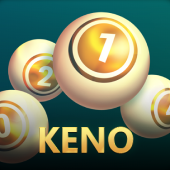
Keno Keno: Cards Game Guide
Meet Keno, a bright number-pick Cards Game for players who enjoy a calm rhythm, quick choices, and easy-to-follow rounds on mobile.
Open the Keno Demo experienceWhat is Keno?
Keno is a number-selection Cards Game built around anticipation and simple decisions. A player reviews the available number field, selects a comfortable set, confirms a round, and watches the draw resolve. The visual clarity makes Keno approachable for a first visit while leaving space for experienced players to develop a personal routine.
Keno is not a promise of income. Each round is uncertain, so the most enjoyable Keno session is one with a clear time and spending boundary. Read the paytable and current rules before taking part, and use the OrionPlay tips guide when you want a more deliberate approach.
For players who want to understand the rhythm first, Keno Demo play can be a useful learning step where it is offered. A Keno Demo is for familiarisation, not a prediction tool, and it cannot change the random nature of a later round.
How to Play Keno
1. Check the access route
Use the official OrionPlay page and review the displayed rules before selecting any number.
2. Choose numbers
Pick only the numbers and stake size that fit your planned session. Avoid hurried selections.
3. Confirm the round
Review the ticket, paytable and any displayed conditions, then confirm when everything is clear.
4. Watch the result
The draw determines the outcome. Past results do not make a number more likely in the next round.
5. Take a mindful pause
Record the result if helpful, take a break, and never increase a stake to chase a loss.
Want to explore more table-style entertainment after Keno? Visit OrionPlay Live Games for another browsing route.
Start a focused Keno sessionKeno Features for Quick Learners
Mobile-friendly flow
The Keno layout is easy to scan on a phone, with the number field and round information close together.
Short decision cycle
Keno keeps the choice stage clear so players can set a pace instead of feeling rushed by a crowded screen.
Rules-first reading
Use the paytable and help text to understand selections, winning patterns and limits before participating.
Light entertainment
The bright reveal moment gives a Cards Game session a playful finish without requiring complicated controls.
Ready for Keno?
Keep your plan simple, read the rules, and enjoy the moment responsibly.
Play Keno on OrionPlayKeno Analysis Without Guesswork
There is no universal Keno prediction method. Number frequency charts can describe previous draws, but they cannot guarantee a future result. Treat any displayed statistics as information about history, not a promise. A careful Cards Game player checks the current paytable, stake range, draw rules and session limit instead.
Keno Demo rounds, when available, help explain the interface and timing. They do not establish an RTP figure or make a live result predictable. Check the live information shown by the platform instead of relying on outside claims.
Keno Strategies for Better Control
Make a small plan
Choose a budget before opening a Keno round and keep that amount separate from everyday needs. A plan works best when it is written down, easy to remember, and never expanded because of excitement.
Value consistency over chasing
Changing numbers after every result can make a Cards Game feel more stressful. If you enjoy a selection, keep it only as a preference, not because it changes the odds. There is no “due” number.
Use breaks as a feature
Pause after a short set of rounds. A break protects attention and lets you decide whether the session is still enjoyable. Keno should remain entertainment, not a way to recover a loss.
Keno FAQ
Is Keno a Cards Game?
What is Keno Demo?
Can I predict the next Keno draw?
How do I start Keno on mobile?
What should I do after a loss?
For access and account safety, read the OrionPlay safety guide before you begin.
Visit OrionPlay KenoRelated Games
Cards and hot picks





Each related game is shown from the OrionPlay game library. Select a tile to continue through the platform.
Find Your Keno Rhythm
Review the rules, choose your boundary, and keep every Cards Game session light and responsible.
Try Keno Demo first